
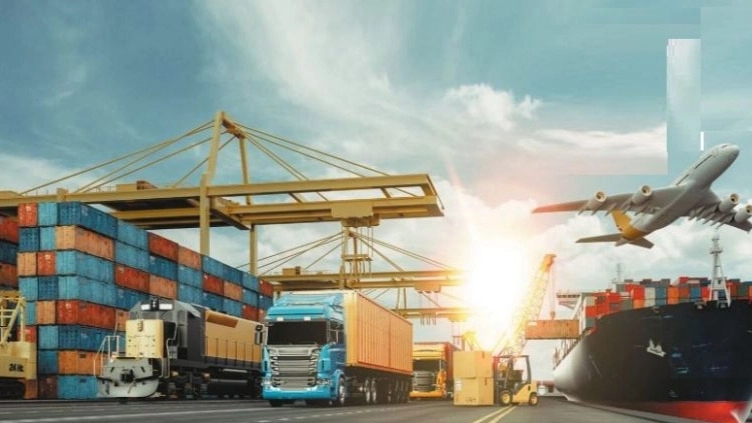
Additional explanations for terms used in the above content :
Clearance of goods from customs is one of the most important and challenging activities faced by merchants and companies active in the field of export and import of goods. The release of goods from customs, which is called clearance, is a time-consuming, complex and specialized process, and in this article we want to get to know the general and details of the customs clearance process.
Surely, you have all heard by now that some goods are imported from other countries or exported from Iran to other countries. These words, as import and export, are common in our country, and they are a bigger part of the country's activities. Clearance of goods is done in order to release goods imported or exported from the country. If you need this, we are by your side in all stages of clearance. In this article, all the stages of goods clearance are presented step by step. Stay with the business until the end of the article.
What is the clearance?
Customs clearance refers to all the procedures according to which a product is allowed to be exported or imported into a country. So, in general, goods clearance is all the actions you take to release your imported or exported goods from customs.
The clearance and transportation of the goods is usually done by the owner of the goods or his legal representative. The main place of goods clearance is the customs, where the goods are allowed to enter the country or leave the country after entering it and following certain procedures. It is worth mentioning that in this case, the goods are out of the smuggling mode and become legal.
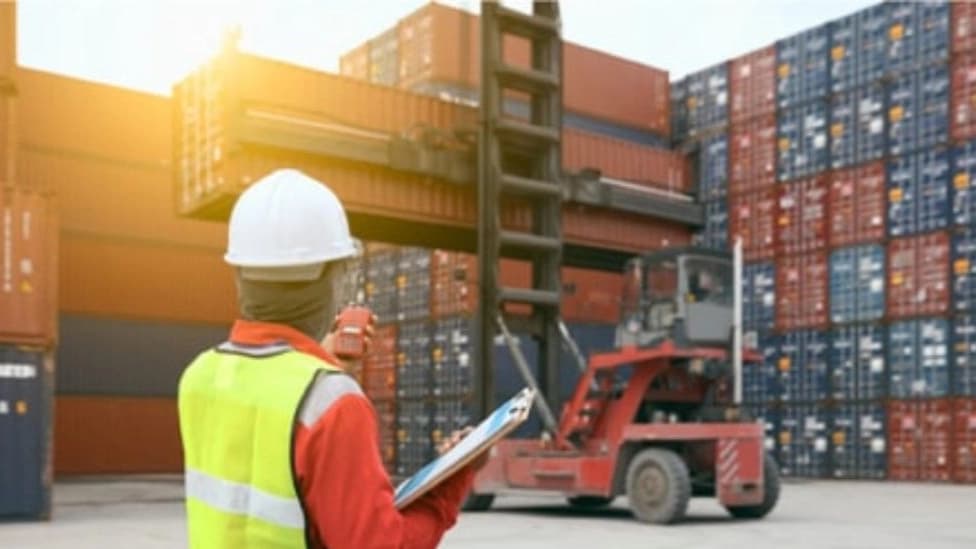
Customs Clearance is one of the main steps of releasing goods at customs. This practice is necessary for foreign trade in terms of import and export. The most important items of customs clearance are written below.
Tarkhis Gostar Trading Company Behnam, the legal broker of Iranian customs, specializes in a wide range of customs services aimed at facilitating import and export processes for businesses.
Our services are:
- انجام کلیه تشریفات گمرکی و ترخیص کالاهای صادراتی و وارداتی در تمامی نقاط گمرکی کشور.
- مدیریت رویه های ترخیص کالا، از جمله ورود موقت، خروج موقت، و بازگشت رها شده و غیره.
- ارائه مشاوره گمرکی به بازرگانان و تولیدکنندگان برای کمک به کاهش هزینه کلی کالا.
- کمک به اخذ مجوزهای لازم جهت ثبت سفارش، تشریفات بانکی و غیربانکی و تسهیل صادرات و واردات بدون انتقال ارز.
- محاسبه هزینه های ترخیص نهایی با تعیین دقیق تعرفه گمرکی و ارزش گمرکی انواع کالا.
- کمک به تولیدکنندگان صنایع و معادن در اخذ معافیت از حقوق ورودی و استفاده از تسهیلات موضوع ماده 121 قانون امور گمرکی.
- ارائه اختیار ضمانت گمرکی به جای پرداخت حقوق ورودی.
- مدیریت فرآیند اخذ تخصیص ارز از بانک مرکزی، تسهیل نقل و انتقال ارز و گشایش اعتبار اسنادی.
- نمایندگی مراجعین در کمیسیون های حل اختلاف گمرکی برای رسیدگی موثر به هر گونه اختلاف با گمرک ایران.
- اخذ گواهی بازرسی کالا (COI) و تایید انطباق با استانداردهای اجباری.
- ارائه بیمه کالا در مبدأ برای کلیه کالاهای وارداتی و صادراتی.
- ارائه کلیه مدارک و فیش های پرداخت لازم جهت درج در سوابق مالیاتی مشتریان و همچنین صدور صورتحساب رسمی مورد تایید سازمان امور مالیاتی جهت ترخیص کالا.
- خدمات اضافی، مانند ترخیص کالاهای نمایشگاهی و ترخیص پته گمرکی
- ساده کردن فرآیند ترخیص کالاهای فاسد شدنی و یخچالی، و در نظر گرفتن آنها به عنوان یک محموله برای اطمینان از کارایی.
Important customs names
We strive to provide comprehensive customs solutions that meet the diverse needs of our customers and ensure smooth and efficient import and export operations.
- گمرک خرمشهر
- ترخیص کالا از گمرک شهید رجایی بندرعباس
- گمرک بوشهر
- گمرک شهید بهشتی
- گمرک فرودگاه امام خمینی (این گمرک، بزرگترین مرز هوایی کشور است که در سی کیلومتری جنوب تهران در جاده تهران-قم قرار دارد. گمرک امام خمینی، توانایی پذیرش، سی هزار تن کالا، در هر یک ثانیه، را دارد. سالانه 8%، از واردات کشور را به خود اختصاص داده است.)
- گمرک شهریار تهران
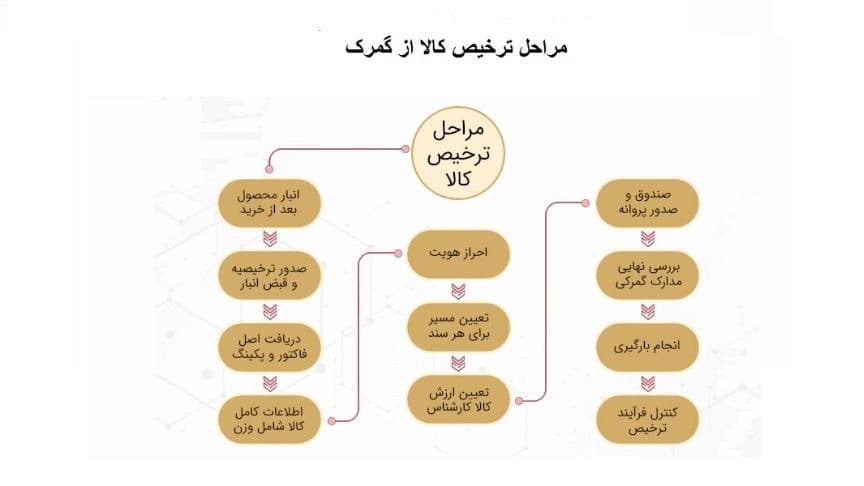
Our customs services include the entire process of entering goods, preparing documents, submitting declarations, evaluating goods, obtaining permits, paying duties and delivering goods. Here is a breakdown of the different steps involved:
- ورود کالا به گمرک و دریافت قبض انبار گمرکی
- تهیه سند
- اخذ کوتاژ اظهارنامه و تعیین مسیر اظهارنامه
- کنترل و ارزیابی کالا
- اخذ مجوز
- کارشناسی (طبقه بندی تعرفه و ارزش اظهاری)
- مرحله صندوق و پرداخت حقوق و عوارض گمرکی
- بارگیری و تحویل کالا از انبار گمرکی
- مرحله خروج کالا
If you need advice and answers to your questions regarding goods clearance, please call 09124017079.
Enter the goods to the customs and receive the customs warehouse bill
At this stage, the goods enter the customs and receive the customs warehouse invoice. Information such as the date of arrival of the goods, the number of packages and the weight of the goods are entered in the customs warehouse invoice.
Document preparation
At this stage, we fully prepare all the documents required for the customs declaration. Also, if needed, we can provide the documents to the bank for review and approval before declaring them to the relevant customs. Here is a list of general documents that are usually required for import and export clearance:
Required documents for import
BILL OF LOADING:
This document acts as a contract of carriage between the sender and the carrier for ocean cargo.
WAREHOUSE RECEIPT: This document confirms the storage of goods in the warehouse and acts as proof of ownership or control. DELIVERY ORDER ):
gives permission to release the goods from the custody of the carrier to the importer or their appointed representative.
Order of registration (ORDER OF REGISTRATION):
This document confirms the registration of the order that the importer has registered with the exporter.
Invoice or purchase list (INVOICE):
Provides a detailed breakdown of the goods, including their description, quantity, unit price, and total value.
PACKING LIST: This document specifies the contents of each package or container by specifying the type, quantity and weight of the goods.
CERTIFICATE OF ORIGIN:
Certifies the country of origin of the goods, which may be required for customs purposes or to request preferential tariff treatment.
Performa invoice or proforma invoice (PACKING LIST):
It is the initial invoice that is issued by the exporter to the importer and states the total price of the goods before the commercial transaction. does.
INSURANCE POLICY:
Provides evidence of insurance coverage of goods during transportation.
Inspection certificate :
This document verifies the quality, quantity and compliance of the goods with the specified standards, regulations or contractual requirements. if necessary)
If necessary, he will announce the currency supply document or the receipt letter related to the import or export transaction.
Operation license:
Applicable to manufacturing companies, this license grants permission to operate and engage in certain activities in accordance with regulatory requirements.
Catalogue:
If needed, a catalog or product brochure can provide detailed information about the goods, specifications and technical details.
Legal permits required before declaration (LOGICAL PERMISSION):
Some goods or transactions may require legal permits or special approvals before customs declaration.
Importer's Business Card:
The image of the importer's business card may be requested to verify their information in the coding system, especially for the initial declaration.
Official power of attorney to Customs representative or agent:
This document authorizes the customs representative or representative to act on behalf of the importer or exporter in matters related to customs.
The documents required for export
- قبض انبار
- فاکتور یا فاکتور تجاری
- پکینگ لیست (PACKING LIST)
- گواهی استاندارد
- مجوزهای قانونی مورد نیاز قبل از اظهار نظر
- پروانه بهره برداری (قابل استفاده برای شرکت های تولیدی)
- کاتالوگ بروشور یا تجزیه و تحلیل محصول (در صورت نیاز)
- تصویر کارت بازرگانی واردکننده (جهت تایید در سامانه کدینگ)
- وکالتنامه رسمی به کارگزار یا نماینده گمرک
Warehouse Receipt:
The warehouse receipt is very important in customs operations, especially regarding the ownership of goods. It serves as a document confirming that the warehouse has received the goods with the specified specifications from the sender on the specified delivery date. This document plays an important role in customs procedures and allows accurate tracking and verification of goods.
Bill of lading:
The bill of lading acts as a vital document in international trade transactions. It contains essential information such as product marks and numbers, number of containers, detailed product description and gross weight. This document plays an important role in documenting the contract between the sender and the carrier, facilitating logistics and customs procedures.
Clearance:
A goods clearance, often referred to as a delivery order, is a permit or authorization required to deliver goods. This enables the release of goods from the custody of the carrier to the designated consignee. This process ensures compliance with customs regulations and simplifies the efficient movement of goods.
Invoice or purchase list:
The invoice or purchase list is an essential document that is used in customs procedures. It provides a comprehensive breakdown of the transaction, including item details, quantities, prices and payment terms. This document plays an important role in customs valuation, taxation and maintaining accurate business records.
Certificate of Origin:
Certificate of Origin is a recognized international document provided by the International Chamber of Commerce. It serves as proof of the country where the goods were produced or manufactured. This certificate plays an important role in customs and allows the authorities to determine the origin of the goods and apply the relevant tariffs or trade agreements.
Packing list:
Contains important information that describes a shipment. This information provides detailed insight into the contents of packages or containers and facilitates the proper identification and handling of goods during shipping and customs processes. The packing list plays a key role in ensuring efficient inventory management and smooth customs clearance.
Proforma invoice:
Proforma invoice is an initial invoice issued by the seller to the buyer. It includes important details such as name and address of both parties, type and quantity of goods, unit price, total price, payment terms, delivery schedule, validity period and origin of the goods. Proforma invoices are very useful in starting business discussions, describing conditions and estimating costs.
License to place an order:
The license to place an order is issued by the Iran Trade Development Organization. It contains an eight-digit license number and its related date along with the invoice number and date and the name of the applicant. This license is a vital document to comply with regulations and record keeping purposes in commercial transactions.
Certificate of inspection:
Certificate of inspection is a document that confirms the quality, condition and conformity of goods.
Operation license:
Operation license is issued by the Ministry of Industries and Mines and the activity license of a production and industrial unit. This license is valid as long as the industrial unit operates within the specified parameters.
Catalog:
A catalog is an informative brochure that provides comprehensive product information to customers. It serves as a valuable resource and enables customers to learn about a product's features, specifications and instructions for use.
Legal authorizations required before commenting:
Various legal authorizations are required before commenting to ensure compliance with regulations. These permits may include health certificate, standard compliance certificate, plant quarantine clearance and any other necessary permits.
Standard certificate:
Standard certificate after evaluation Complete demand and audit of companies and their products is issued by a recognized standard organization. This certificate is awarded to organizations that have successfully met all the principles and standards set by the organization.
Official power of attorney for customs broker or customs broker:
Legal entities have the possibility to appoint representatives who have official power of attorney to carry out customs-related matters on their behalf. To carry out the process of clearing their goods as quickly as possible.
Declare through the EPP system
At this stage, the owner of the goods or their legal representative is obliged to declare the details of the goods electronically using the EPL system. This system provides the possibility of declaring goods for import, export and transit purposes. Access to the EPL system is possible through the site address https://epl.irica.ir.
In this step, various information such as product specifications and order registration details are retrieved from other systems. In addition, important information such as
Value of goods
Exact amount of goods
Customs tariffs
and declaration calculations are provided by the declarant.
It is important to mention that According to the instructions on the official website of the customs of the Islamic Republic of Iran, the customs declaration must be submitted to the customs.
What is EPL?
The EPL system, which stands for Electronic Packing List, serves as a critical component in cross-border business operations. It acts as a communication channel between customers and customs and facilitates clearance processes.
This system was first launched in 2012 and has since been adopted by other customs. .
EPL is a clearance system that requires customers to use the Outbound Single Window System or PL System to interact with customs when clearing their desired goods. Familiarizing customers with customs regulations and requirements is essential to avoid any discrepancies.
To access and use the EPL system, customers must first visit the customs information technology unit and request a password to enter EPL. This password serves as their identification code in the customs system.
In this system, users can perform various operational processes including:
- دور اظهاری واردات
- دسترسی به گزارشات اظهارنامه قبلی
- اعطای وکالتنامه به حق العملکار گمرک
- دور اظهاری ترانزیت
The EPL system allows pre-declarations to be printed and allows users who are not used to entering information directly online to fill out the general declaration form manually. They can then enter the information based on the details they have already filled.
Using the EPL system involves following a series of steps.
Obtaining a declaration and determining the direction of the declaration
When the declarant is finally approved, the customs declaration will receive a declaration registration number or cottage number. After that, the notification is automatically assigned to one of three routes: green, yellow or red.
The selection of the notification route is determined either randomly or through the use of a risk management system. Several factors are considered during this process, including:
Type of product
Country of origin
Weight
Goods tariff
Reputability of the goods owner
Other related factors< br>
These components help to assess the level of risk associated with the declaration and help to manage the customs procedures efficiently and effectively.
Control and evaluation of goods
Obtain a license
Expert
Fund phase and payment of salaries and duties
Loading and delivery of goods from the customs warehouse
The stages of the departure of the goods
Customs clearance fee
Clearance fee
The importance of clearance from customs

Conditions for customs clearance
Customs clearance duties
Customs clearance documents
Commercial consultation for clearance
نظرات و تجربیات شما
دیدگاه شما چیست؟
با ثبت امتیاز خود، به ما در تولید محتوای بهتر کمک کنید.